
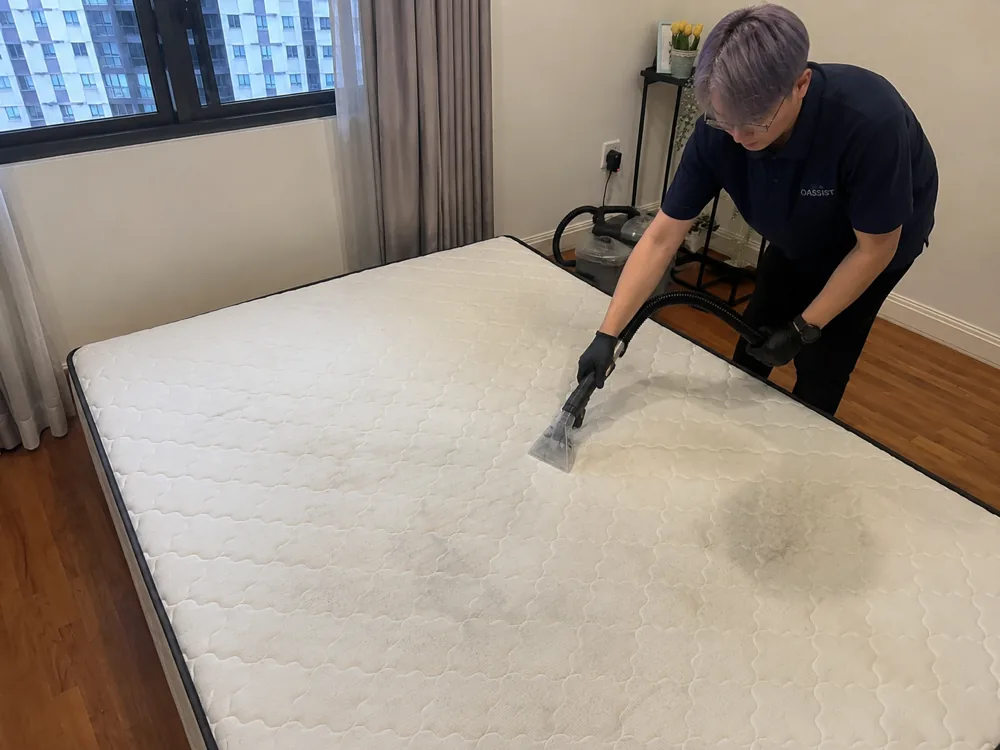
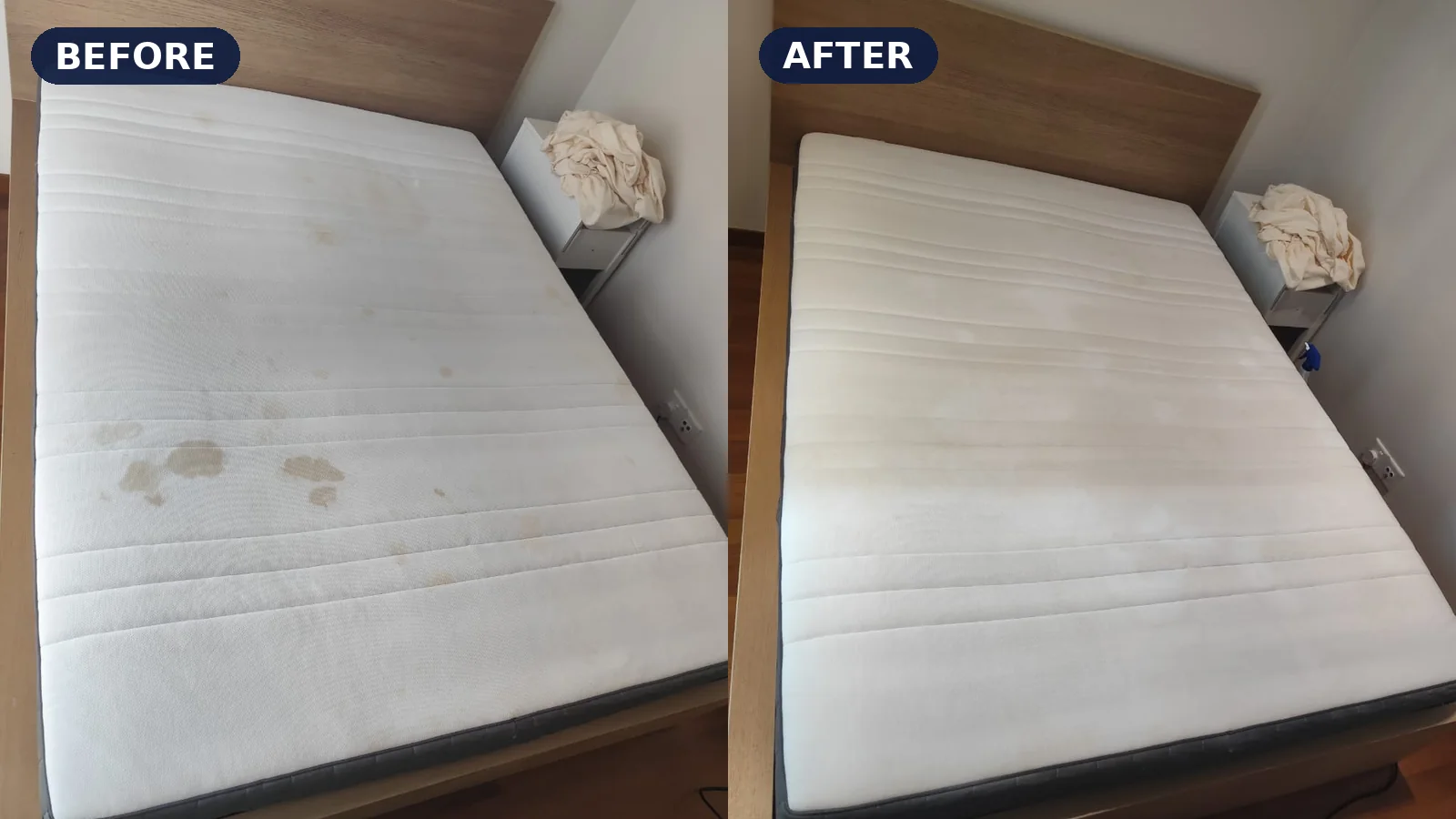
Short answer. Dust mites need warmth and humidity to survive. They do best between 75 and 80 degrees Fahrenheit and at 70 to 80 per cent relative humidity. That is Malaysian weather, every day of the year. Which is why advice written for colder countries, mostly “keep your home dry”, is much harder to follow here.
How do you get rid of dust mites in a mattress?
You cannot eliminate them in a Malaysian home, and anybody promising that is selling something. What you can do is remove the allergen they leave behind and make the mattress a worse place to live. Four things do almost all of the work.
- Wash bedding weekly. This removes nearly all the allergen sitting above the mattress
- Run the air conditioning to hold humidity below 60 per cent, the point at which the population stops growing
- Vacuum the mattress itself, thoroughly, with a HEPA or water filter machine
- Have it deep cleaned and extracted once allergen is embedded, because a household vacuum does not reach below the surface
The rest of this guide explains why each of those works, and what a professional clean does that the first three cannot.
What is a dust mite, actually
A dust mite is a microscopic relative of the spider. It does not bite, it does not burrow into skin, and it is not a parasite. It lives in soft furnishings and eats the skin flakes that people and pets shed.
A mattress suits them because it offers all three things they need at once: food, warmth, and moisture from the body of the person sleeping on it.
If they do not bite, why do they cause a reaction?
This is the part most people have backwards. The allergic reaction is not to the mite. It is to its droppings and to fragments of dead mites. Those particles are part of household dust, and when the dust is disturbed, by sitting on a sofa or turning over in bed, they become airborne and are breathed in.
So killing mites is only half the job. The waste they leave behind is what people react to, and it stays in the fabric until it is physically removed.
What allergens are hiding in a mattress and sofa?
Mite droppings are the best known, but they are not alone in there. A mattress or sofa holds shed skin from people and pets, mite droppings and fragments, pet dander, mould spores where humidity stays high, and ordinary household dust that has worked its way below the surface.
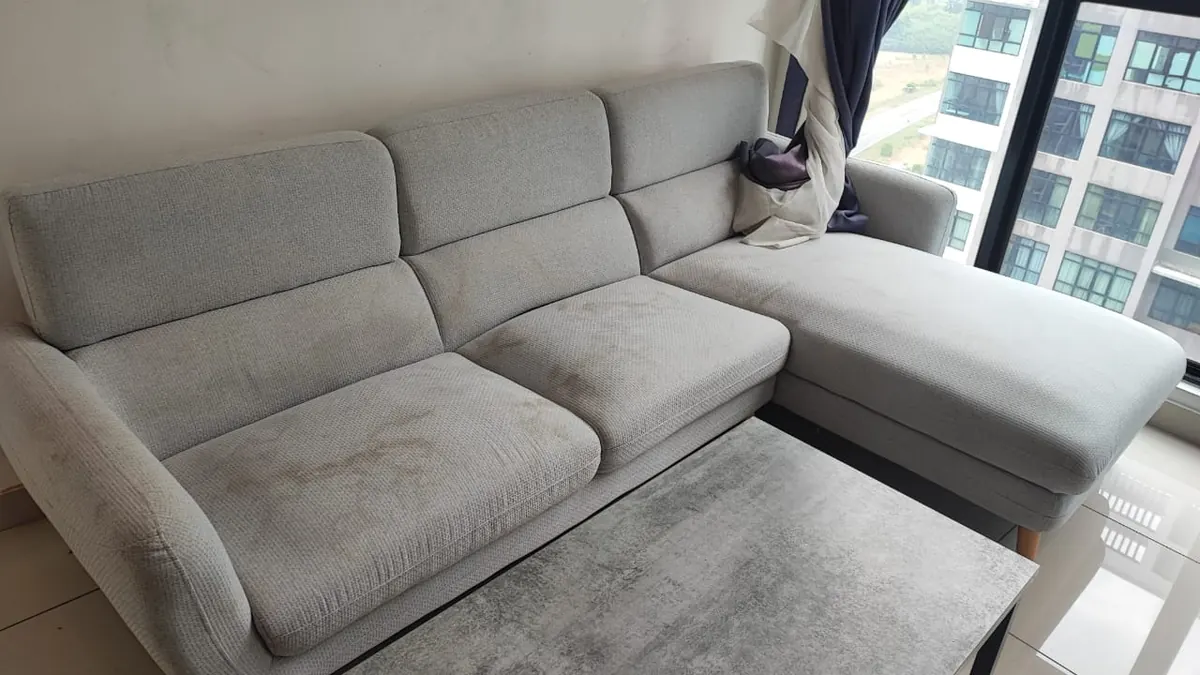
The way allergens build up in home furniture is slow and completely ordinary. Every time somebody sits down or turns over, the fibres flex and fine particles are pushed deeper into the padding. Nothing takes them back out, so each year adds to the last. That is why a ten year old sofa holds far more than any vacuum will lift, and why a mattress, a sofa and a carpet in the same house are usually one problem rather than three.
Why Malaysia is harder than most countries
Research from the University of Nebraska Extension sets out the conditions clearly.
| Condition | What dust mites need | Typical Malaysian home |
|---|---|---|
| Temperature | 75 to 80 °F, around 24 to 27 °C | Year round |
| Humidity | 70 to 80 per cent relative humidity | Commonly in this range |
| Food | Shed human skin | Every occupied bed |
The same research found that at 60 per cent humidity or below the population stops growing and dies out, and that air conditioned homes carried about ten times less dust mite allergen than homes without.
That is the single most useful thing in this article. Air conditioning is not just comfort here. It is the one thing that changes the conditions in the room.
Dust mites or bed bugs? They are not the same problem
People use the two words interchangeably and they are completely different.
| Dust mites | Bed bugs | |
|---|---|---|
| Do they bite | No | Yes |
| Visible to the eye | No | Yes, adults are a few millimetres |
| What you notice | Sneezing, blocked nose, itchy eyes, worse in the morning | Bites in rows, spots on the sheet, live insects in the seams |
| Where they live | Inside the fabric of mattress, sofa, pillow, carpet | Headboard, bed frame joints, skirting, furniture edges |
| What fixes it | Removing the allergen and lowering humidity | A proper treatment, usually with a follow up |
If you are waking with bites, that is not dust mites. If you are waking congested with no marks on your skin, that is the more likely one.
How to clean a mattress at home
None of this needs a company. It is worth doing whether you ever call us or not.
- Wash bedding weekly. Research found weekly washing removes nearly all dust mite allergen. Sheets, pillowcases and the mattress protector
- Run the air conditioning. It lowers the humidity in the room, which is the lever that actually matters
- Vacuum properly rather than often. Thoroughly once a week beats a quick pass every day. A HEPA or water filter vacuum keeps the fine particles in the machine instead of blowing them back into the room
- Dust with a damp cloth. Dry dusting throws the particles into the air. Damp dusting traps them
- Use a washable mattress protector, and actually wash it
What a deep clean does that washing cannot
Bedding goes in the machine. The mattress, the sofa, the carpet and the curtains do not.
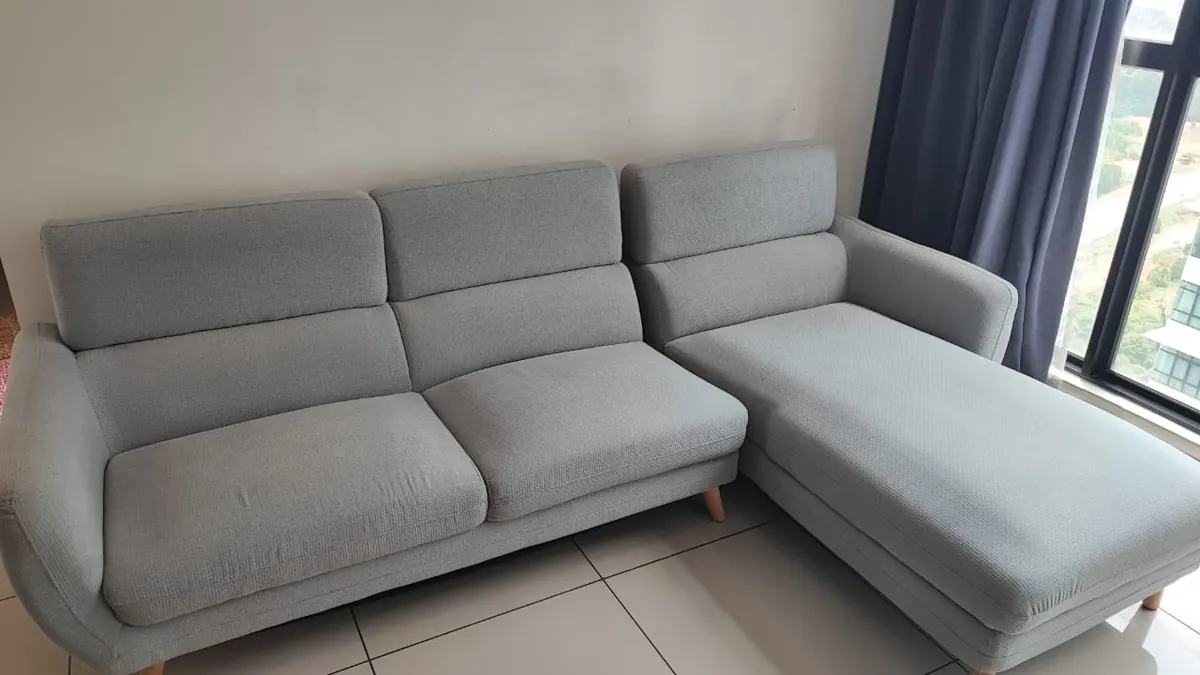
Those hold years of accumulated skin, dust and allergen inside the fabric, below the surface, where a household vacuum does not reach. That is the part a professional clean is for. Our six stage process is built around getting the material out rather than simply treating the surface:
- Deep dry vacuum first, to lift embedded dust before any moisture is introduced
- High temperature steam
- Wet shampooing and extraction, so the loosened material leaves with the water
- Deodorising at the source
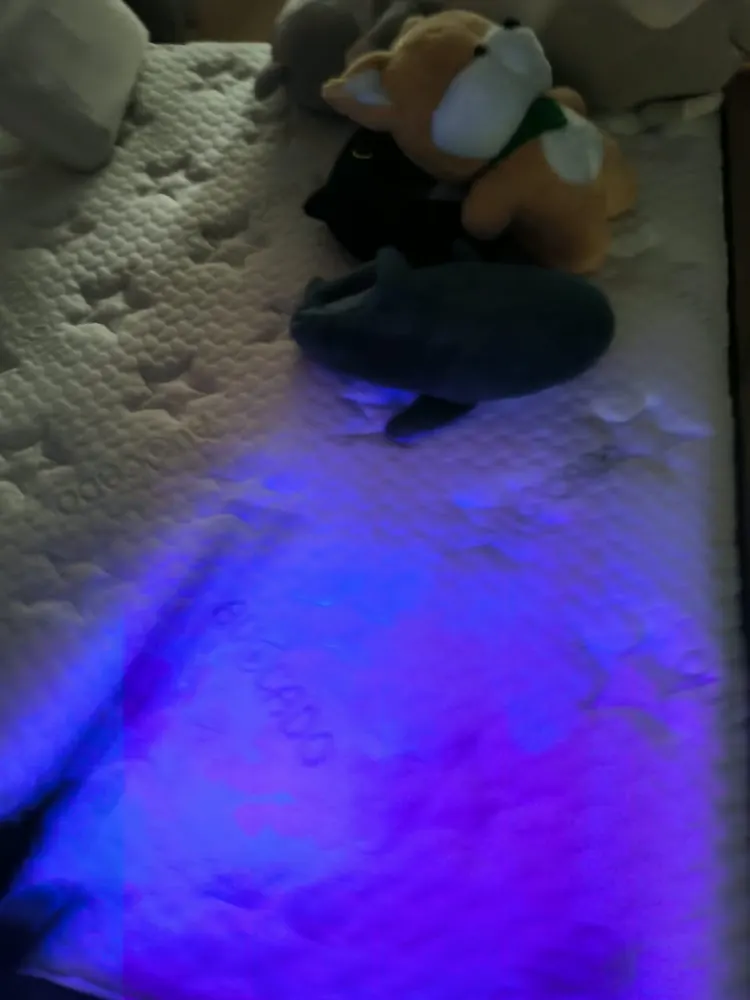
- UV sterilising
- Airborne sanitising to finish the room, not just the item
Honest about the limits: a clean removes what is there on the day. It does not change the climate in your bedroom, and it does not stop skin being shed tonight. In a Malaysian home the mites will come back. The question is how much allergen is sitting in the mattress in the meantime.
How often should a mattress be cleaned?
There is no official standard. What we see in practice is that a household with no allergy problems is comfortable at around once a year, and a household with an asthmatic or an allergy sufferer usually wants it more often than that. If somebody in the house wakes congested every morning, that is the signal, not the calendar.
Frequently asked questions
Can you see dust mites?
No. They are a fraction of a millimetre and not visible without a microscope. Anything you can see on a mattress is dust, mould, a stain, or a different insect.
Do dust mites bite?
No. They have no interest in living people and do not feed on blood. If you have bites, look for bed bugs, mosquitoes or fleas instead.
What kills dust mites in a mattress?
Heat and dryness. High temperature steam kills them on contact, hot washing kills them in bedding, and holding humidity below 60 per cent kills the population off over time. What none of those do is remove the droppings and fragments already inside the fabric, and that is what the reaction is to. Killing them is the easy half. Getting the waste out is the half that needs extraction.
Does sunning a mattress kill dust mites?
Putting bedding in strong sun and dry heat reduces humidity, which does not suit them. But it does not remove the droppings and fragments already inside the mattress, and those are what causes the reaction.
Will an air purifier stop dust mite allergy?
A HEPA purifier helps with what is already airborne. It does nothing about what is sitting in the mattress. Research also found HEPA filters to be more effective than ion generating purifiers, which produce ozone.
Is a new mattress free of dust mites?
It starts clean. It does not stay clean, because the food supply is the person sleeping on it.
Not sure what you are dealing with?
Send us a photo of the mattress or sofa on WhatsApp. We will tell you honestly whether it needs a clean, and quote from the photo, usually the same day.
WhatsApp UsThis article is general information, not medical advice. If you think somebody in your home has an allergy or asthma, speak to a doctor.
Baca dalam Bahasa Melayu: Cara Cuci Tilam Terkena Air Kencing. 中文版:除螨机有用吗?。